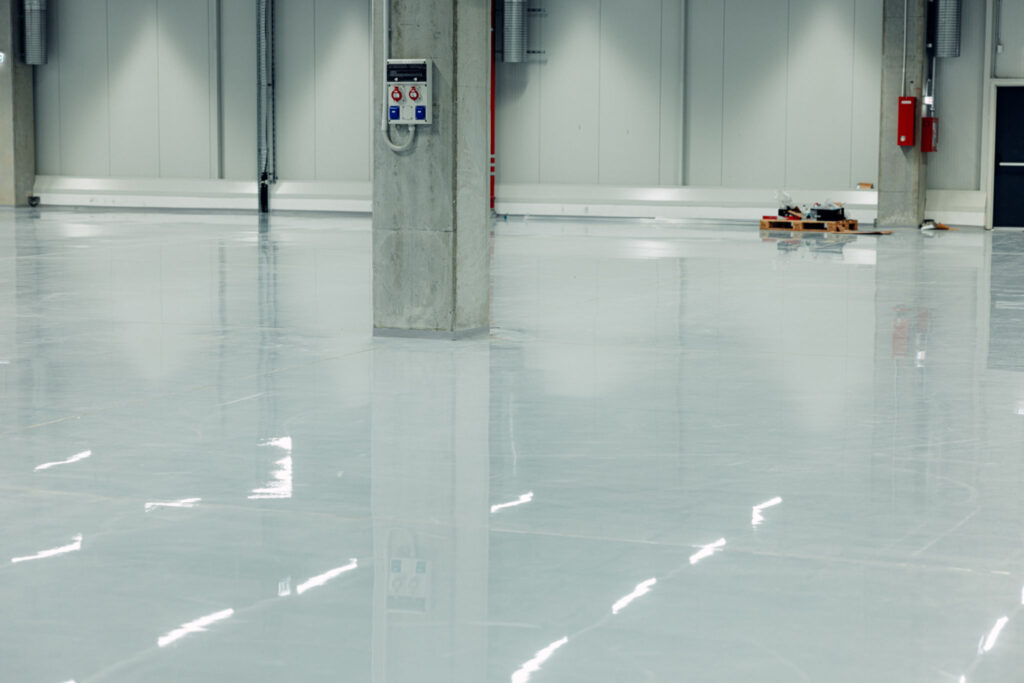
Durable Epoxy Flooring Solutions for Every Space
Epoxy flooring has become a top choice for both homeowners and businesses due to its outstanding durability, low maintenance, aesthetic appeal, and versatile application. In this guide, we’ll explain what epoxy flooring is, how it works, its many benefits, and how to find the best epoxy flooring contractors in South Africa.
What Is Epoxy Flooring?
Epoxy flooring—also known as resinous or polymer flooring—is a durable surface coating created by mixing a two-part system: resin and hardener. Once applied, the mixture chemically bonds to the substrate (typically concrete) to form a hard, seamless, plastic-like surface that can withstand heavy use and environmental stress.
Epoxy can be installed over concrete, wood, VCT, tile, and other common industrial or commercial floor surfaces. It cures quickly, making it ideal for businesses that can’t afford prolonged downtime.
Types of Epoxy Flooring
Epoxy flooring is available in different formulations, each tailored to specific needs:
Liquid Epoxy: Flexible and easier to apply, ideal for indoor residential or light commercial spaces.
Solid Epoxy: More rigid and moisture-resistant, making it suitable for outdoor areas or environments exposed to water and chemicals.
How Epoxy Flooring Works
Epoxy is typically applied in multiple layers:
Base Coat: Smooths and levels the surface.
Color Coat: Adds visual appeal and design.
Topcoat (Sealant): Enhances durability, stain resistance, and shine.
Each layer plays a critical role in creating a seamless, high-performance surface that can last for many years.
Key Benefits of Epoxy Flooring
✅ Extreme Durability
Epoxy floors are built to handle the harshest conditions—heavy machinery, constant foot traffic, chemical exposure, and extreme temperatures. This makes them perfect for:
Industrial facilities
Warehouses
Food and beverage plants
Pharmaceutical labs
Commercial kitchens
Garages and workshops
✅ Seamless and Sanitary
Epoxy forms a completely smooth, joint-free surface. Without grout lines or cracks, dirt and bacteria have nowhere to hide—making it easy to sanitize. Anti-microbial additives can be included for healthcare or food-grade environments.
✅ Water and Stain Resistant
Unlike wood or laminate, epoxy floors resist water, oil, chemicals, and stains. Spills can be cleaned up easily, and there’s no risk of warping or water damage.
✅ Attractive Aesthetics
Epoxy flooring comes in a wide variety of finishes, including high-gloss, matte, metallic, and decorative flakes. This allows customization for lobbies, retail stores, showrooms, and sports facilities.
✅ Cost-Effective
Compared to other flooring systems, epoxy offers excellent value. Its long lifespan and minimal maintenance reduce the total cost of ownership over time.
✅ Superior Strength
Epoxy coatings offer exceptional flexural strength—typically over 10,000 psi—making them more than three times stronger than standard concrete.
✅ Enhanced Safety
Non-slip coatings can be added to increase traction in high-traffic or wet areas. The seamless finish also eliminates tripping hazards caused by uneven tiles or broken flooring.
✅ Eco-Friendly
Epoxy is a sustainable option:
It produces minimal installation waste.
It reduces the need for strong chemical cleaners.
It doesn’t degrade or release harmful particles into the environment.
✅ Low Maintenance
Epoxy floors are non-porous, resistant to cracking and chipping, and easy to clean with just mild soap and water. Minimal upkeep makes them a favorite for busy environments.
Choosing an Epoxy Flooring Contractor
To ensure a long-lasting and professional finish, it’s essential to work with a reputable contractor. Here’s what to look for:
Proven experience and portfolio
Positive client reviews and references
Clear warranty and product guarantees
Use of high-quality materials
Compliance with local regulations and safety standards